

Dry or sweet?

Remember when you first discovered wine? Were you surprised that it wasn’t as sweet as grapes? And then, before long, you started liking it that way.
This is the typical journey for a lot of wine lovers, but it can lead to an unintended destination if it trains us to shun the delicious, well-made off-dry and sweet wines ranging from crisp, subtly sweet Mosel Rieslings to the classics of Port and Sherry.
Upgrade to Paid: I buy all the wines I review and accept no free samples. Please support my work with a premium subscription—just $5 per month or $50 a year.
For me, the breakthrough moment occurred at La Barbera’s pizzeria in Santa Monica, where I lived for a while in those long-ago days when it was an affordable hippie neighborhood and I was barely old enough to drink wine legally. My epiphany came when a slice of sizzling, oil-dripping pepperoni pizza met a gulp of very dry and tart Chianti. Suddenly the pizza tasted better, and the wine tasted much better.
The rest, as they say, is history. Once we discover how well dry wines go with food – after all, they were made, and evolved, to serve well at the table – our taste buds are trained to appreciate that combination. In a related observation, the more I came to enjoy the interplay of dry wine and good food, the less interested I became in sugary sodas, with food or without it. With the possible exception of a Jarritos Tamarindo at a taquería, but I digress.
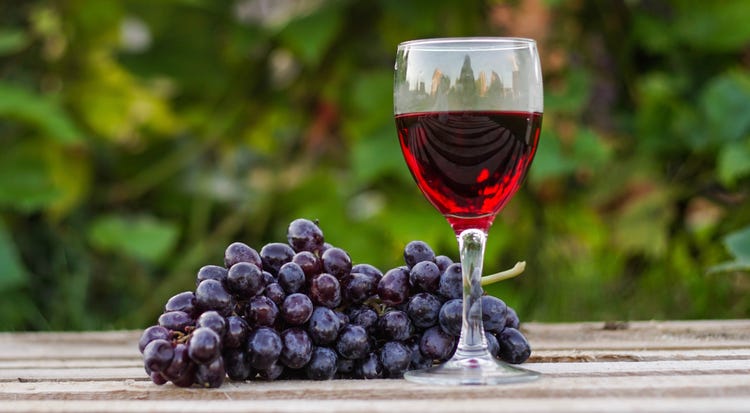
This evolution raises an interesting question: What distinguishes a good sweet wine from the rest of the pack? The key is found in the wine’s balance between sweetness and acidity. Acidity in wine, within reasonable limits, is a good thing. Think about biting into a fresh piece of fruit, an apple or plum, or blackberry: That fresh, crisp, tart flavor wakes up our taste buds and heightens flavor.
Without acidity, fruit – or wine – tastes dull and flat and frankly uninteresting. And if any residual sugar remains in the wine after fermentation, a happy jolt of acidity makes all the difference between an enjoyable, refreshing drink and something boring.
Whether it’s a light, fresh, and just off-dry wine like today’s featured wine, Stein “Weihwasser” Feinherb Riesling from Germany’s Mosel Valley, or a full-bore dessert wine like a good Port or Sherry, it’s the balance of sugar and acidity that makes them sing.
When you first got into good wine, were you surprised that it wasn’t as sweet as grapes? How did your tastes change? What do you think of sweet wines now?
The price of this week’s featured wine locks it behind our subscription paywall. Since I buy all the wines I review at retail and do not accept wine samples or other gratuities from the industry, I count on the support of paid subscribers to help cover the cost of the wines I review. Accordingly, I have to reserve wines that cost me more than about $20 behind our subscription paywall.
If you haven’t become a paid subscriber yet, I’d love to have your support. Click here for information on our paid-tier edition. Our free-to-all edition featuring a quality wine for $20 or less will return in its biweekly cycle next week.

Support The 30 Second Wine Advisor with your paid-tier subscription. For $5 per month or $50 for a year (a 17% saving), you’ll receive additional wine notes funded by your subscriptions, enjoy quick direct access through Substack for wine-related questions, and gain my real appreciation for your support.
